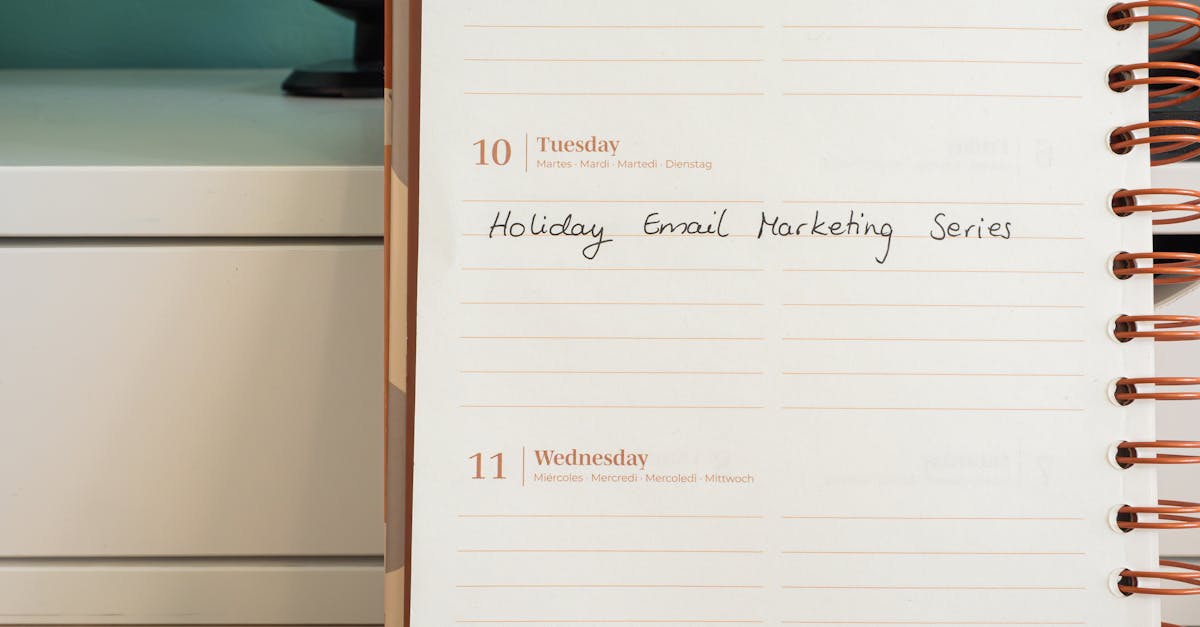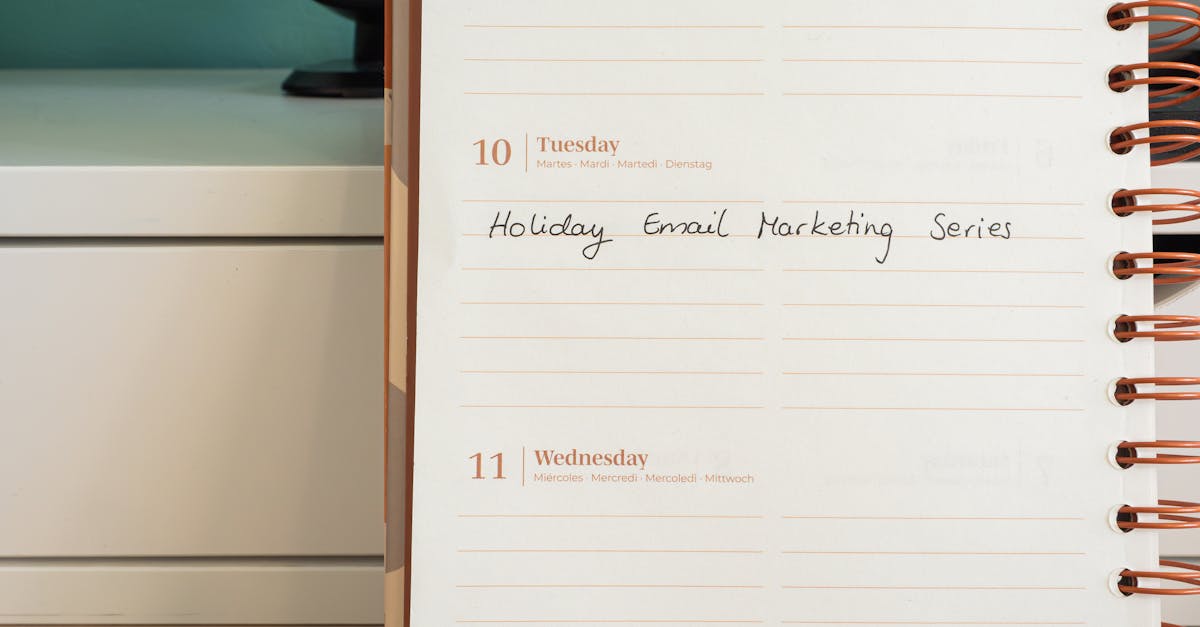
Introduction: Why Email Marketing Still Rules the Business World
Think about your morning routine. Before you even get out of bed or pour that first cup of coffee, what is the first thing you do? You probably check your phone. You check your notifications, your social media, and inevitably, your inbox. Even in an age dominated by flashy social media platforms and short form video, email marketing remains the backbone of serious business communication. It is not just a digital post office; it is a direct line to your customer’s most personal digital space.
Email is like having a private conversation in a crowded room. While social media is a billboard you shout at, email is a handwritten letter you hand to a friend. The return on investment for email marketing consistently outperforms almost every other digital channel, often reaching thirty six dollars for every dollar spent. If you are not utilizing email, you are essentially leaving money on the table every single day.
Building Your Foundation: How to Grow an Authentic Email List
You cannot send emails to people who do not want to hear from you. Building an email list is not about collecting as many addresses as possible; it is about building a community of people who actually care about your value proposition. Buying lists is the fastest way to ruin your reputation and end up in the dreaded spam folder.
Creating Irresistible Lead Magnets
People do not just give away their email addresses for free anymore. You need to offer something of value. Think of this as a fair trade. You give them a helpful PDF, a discount code, an exclusive webinar, or a template, and they give you access to their inbox. Your lead magnet should solve a specific problem for your audience instantly.
Choosing the Right Email Service Provider
Trying to manage a business newsletter from a personal Gmail account is a recipe for disaster. You need an Email Service Provider, or ESP. These platforms provide you with the tools to manage lists, design templates, and automate your workflow without getting flagged as a spammer.
Segmentation: The Art of Speaking to the Right Person
If you treat every subscriber the same, you are failing your audience. Segmentation is the process of breaking your massive list into smaller groups based on behaviors, demographics, or interests. Imagine you own a clothing store; you would not send a promotion for men’s winter jackets to a customer who exclusively buys summer dresses. By segmenting, you ensure that every email feels relevant, which keeps your engagement high and your unsubscribe rates low.
Crafting High Converting Email Copy
Your email copy is the heart of your strategy. If your writing is boring, your readers will hit the delete button before they even reach your call to action. Keep it simple. Write like you are talking to one person sitting right across from you. Avoid corporate jargon that makes you sound like a robot.
The Subject Line: Your First Impression
Your subject line is the gatekeeper. If it does not spark curiosity or offer immediate value, the rest of your message will never be seen. Use active verbs, create a sense of urgency, or ask a question that demands an answer. If your subject line is the hook, the preview text is the lure.
Design Best Practices for Professional Emails
Less is often more when it comes to email design. You want your email to load quickly and look great on both a desktop computer and a smartphone. Keep your layout clean, use plenty of white space, and make sure your call to action button stands out like a neon sign in the dark.
The Power of Automation and Drip Campaigns
Automation allows you to work while you sleep. When a new person joins your list, they should receive a welcome sequence that introduces your brand, tells your story, and provides value. This is a drip campaign. It is like setting up a series of automatic reminders that keep your business top of mind without you having to lift a finger.
Mastering the Art of Timing and Frequency
Is there a magic day or time to send emails? Not really. It depends entirely on your specific audience. The only way to find out is through testing. However, consistency is more important than timing. If you promise a weekly newsletter, show up every single week. Reliability builds trust.
Staying Legal: GDPR and CAN SPAM Compliance
Nobody likes legal jargon, but you have to respect the rules. The CAN SPAM Act and GDPR are there to protect consumers from unwanted junk. Always include an easy way for people to unsubscribe, include your physical business address, and never lie about who the email is from.
Analyzing Your Metrics: Beyond the Open Rate
Many people obsess over the open rate, but it is a vanity metric. If a thousand people open your email but zero people click your link, your email failed. Look at your click through rate and your conversion rate. These numbers tell you if your content is actually driving results or just taking up space in the inbox.
Why A/B Testing is Your Best Friend
A/B testing is like running a science experiment on your marketing. Send version A of an email to half your list and version B to the other half. Maybe version A has a different subject line, and version B has a different call to action button color. Let the data decide which one performs better, then use the winner for future campaigns.
Common Mistakes to Avoid in Business Email
Avoid sending too many emails too quickly. Avoid being vague with your call to action. Most importantly, do not forget to test your links before you hit send. There is nothing more embarrassing than sending a professional email with a broken link that goes nowhere.
Future Trends in Email Marketing
The future of email is personalized and interactive. We are seeing more emails that include polls, surveys, and even countdown timers directly in the body of the message. The more interactive your email is, the more time the reader spends engaging with your brand.
Conclusion: Staying Consistent for Long Term Success
Email marketing is a marathon, not a sprint. You are building an asset that belongs entirely to your business, unlike social media where an algorithm can change and hide your content overnight. Focus on providing massive value, respect your subscribers, and keep iterating based on your data. If you can do these simple things consistently, you will find that email becomes the most profitable tool in your entire business toolkit.
Frequently Asked Questions
1. How often should I send business emails?
There is no one size fits all answer. Start with once a week and see how your audience reacts. If your engagement remains high, you can increase the frequency, but never sacrifice quality for quantity.
2. Is it bad if people unsubscribe from my list?
Actually, it is healthy. You only want engaged people on your list. Unsubscribes keep your list clean, improve your delivery rates, and ensure your metrics reflect people who truly want to hear from you.
3. What is the most important part of an email?
The subject line is the most important part because it determines if the email is opened at all. However, the value provided within the body is what keeps people coming back.
4. Can I use images in my marketing emails?
Yes, but use them wisely. Do not rely on images to convey your message, as some email clients block them by default. Always include clear text alongside your images.
5. Should I personalize my emails beyond using a first name?
Absolutely. Modern ESPs allow you to personalize based on past purchases, website behavior, and location. The more tailored your message feels to the individual, the higher your conversion rates will be.